Speaking & consulting
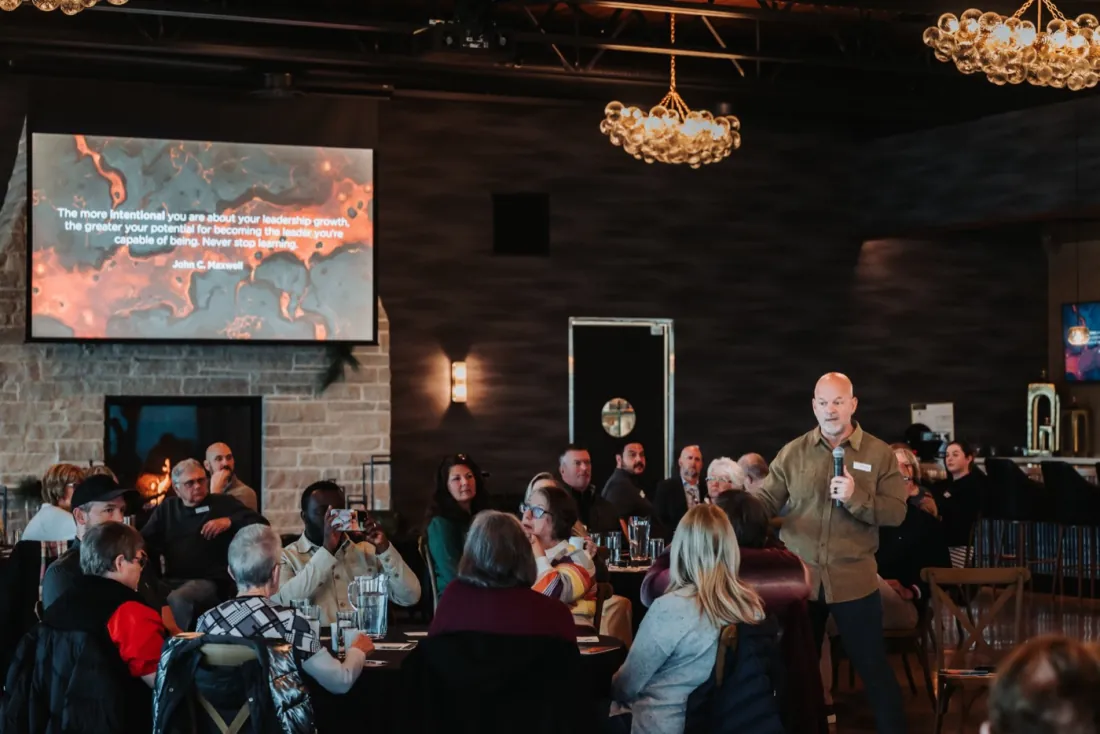
Six talks. Each works as a message, a workshop, or a retreat.
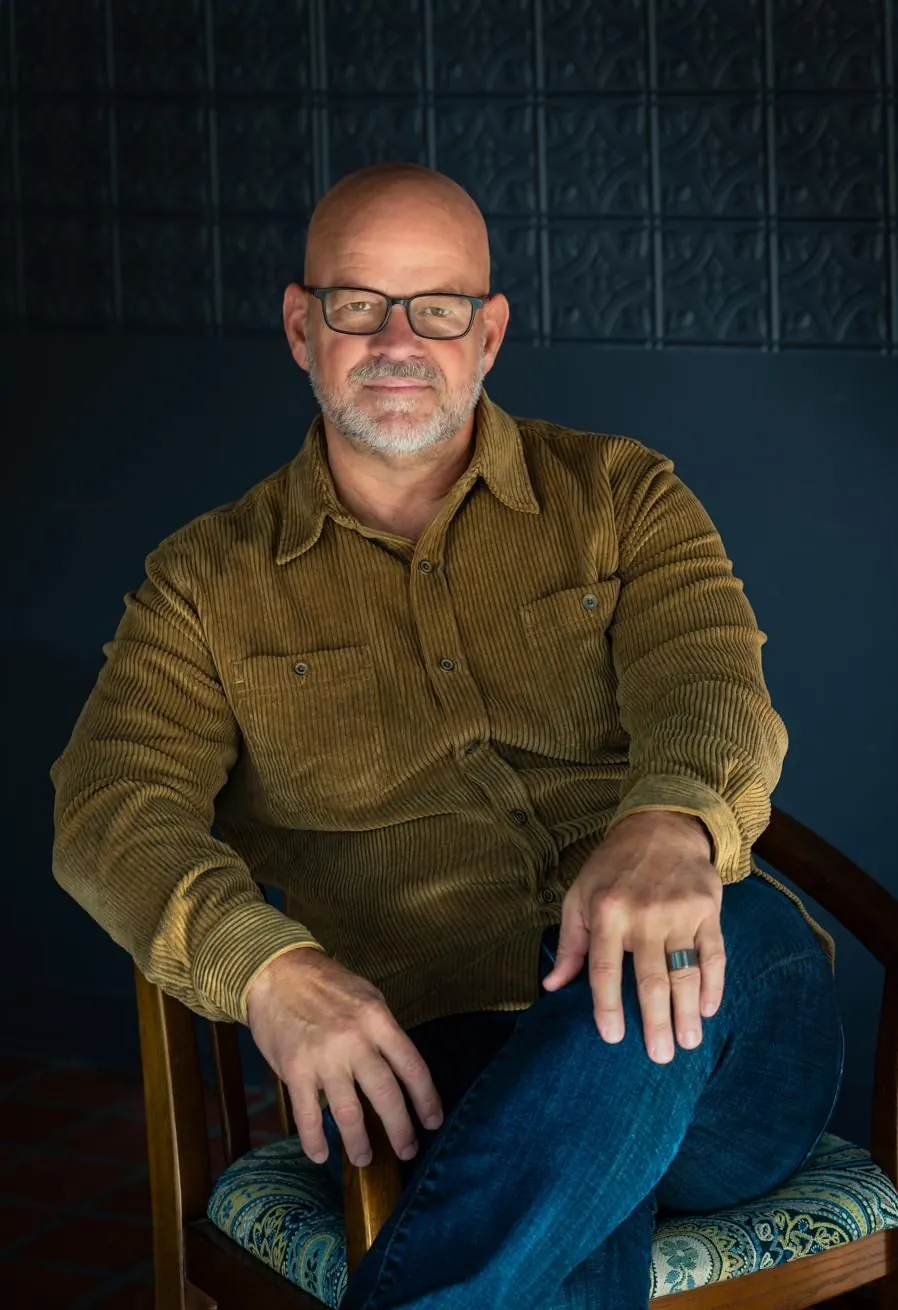
Troy speaks to churches, businesses, and civic leaders on culture, discipleship, faith and work, and leadership, drawing on 18 years leading Green Bay Community Church, ten seasons with the Green Bay Packers, and his doctoral research on faith and work.
- Formats
- Message or keynote (30–45 min), half or full-day workshop, staff and elder retreats, multi-month coaching cohort
- Travels from
- Green Bay / Howard, Wisconsin
- Fee
- On request
The talks
Culture & leadershipCreating a Transforming Culture
Why vision statements don't change anything, and Tuesdays do
Every church and every company has a culture. Most of them didn't choose it. It accumulated, one unaddressed meeting and one unspoken value at a time. By the time anyone names it, it already has a life of its own.
Culture doesn't move because a leader announces it. It moves when the small, repeatable things (how decisions get made, what gets celebrated, what gets quietly tolerated) start pointing somewhere new. That's slower than a vision series. It's also the only version that lasts.
You don't inspire a culture into existence. You build it, and then you defend it.
On stage
The room sees the difference between a culture that was announced and one that was built.
In the room
Leaders map their culture as it is, name the gap, and choose three things to change Monday.
Where it fits: staff retreats, elder and board planning days, culture and vision-casting conferences.
Civic impactLoving Your City: Transitioning Your Organization to Make an Impact
What it costs to stop performing for yourselves and start showing up for your city
Every church says it wants to reach its city. Most organize their whole life around reaching people who already showed up. The gap between those two sentences is where most "community impact" plans quietly die.
Loving a city isn't a program bolted onto an existing culture. It's a redirection of what an organization already spends its time, budget, and attention on, measured not by an event calendar but by whether the city would notice if you left.
A city doesn't need another program. It needs an organization willing to be measured by what it gives away.
On stage
The room faces the honest gap between "reach the city" as a slogan and as a budget line.
In the room
Leaders inventory where time and money actually go, and build one concrete step toward the city.
Where it fits: church elder and staff retreats, civic and nonprofit leadership gatherings, community-impact summits.
Discipleship & cultureFrom Capitalist Success to Kingdom Success
Trading a borrowed scorecard for the one you were actually given
Attendance. Revenue. Growth rate. Somewhere along the way, churches picked up the same scorecard a publicly traded company uses to prove it's winning, and started calling it faithfulness.
Kingdom success isn't the opposite of numbers. It's a different set of numbers: who got discipled, who got sent, what got given away, what got healed. This talk names the ways a market economy quietly rewrote the definition of a faithful church, and hands leaders a different bottom line to build toward.
Performance problems in a church are rarely performance problems. They're usually a scorecard problem.
On stage
The room recognizes which scorecard it has actually been using, out loud, for the first time.
In the room
Staff and elder teams rebuild their own dashboard: what to count, and what to stop counting.
Where it fits: elder and board retreats, denominational and network gatherings, staff planning.
Culture & awarenessThe Water We Swim In
Why the most formative things shaping you are the hardest to see
A fish doesn't experience water as water. It's just everything. The most formative forces in our lives work the same way. We don't examine them, because we've never stood outside them long enough to see the shape they've given us.
For most American Christians, that water is a version of the American Dream: upward, individual, measurable success, so fused with our theology that we can no longer tell where discipleship ends and ambition begins. This is the naming exercise every other conversation about culture and calling depends on.
You cannot resist a water you have never learned to name.
On stage
The room gets language for something it has felt for years but never had words for.
In the room
Leaders trace their own formation and name the one assumption doing the most unexamined work.
Where it fits: opening keynotes, leadership retreats, conferences on culture or discipleship.
Faith & workEden's Workshop: The Work We Were Made For
Recovering a theology of work you were never taught on a Sunday
Most of us were discipled on Sunday and left to figure out Monday on our own. Nobody handed us a theology of the other five days of the week (the meetings, the spreadsheets, the shift work), so we quietly imported one from the culture around us instead.
Work was never a curse or a distraction from the "real" spiritual life. It's where humanity started, in a garden that was also a workshop. This talk rebuilds a theology of Monday sturdy enough to hold an entire career, not just a weekend.
You were made for a workshop before you were ever made for a sanctuary.
On stage
The room sees Monday as sacred ground for the first time, not a break from it.
In the room
Leaders trace where their theology of work came from, and what it's currently costing them.
Where it fits: marketplace ministry events, business gatherings, workplace chaplaincy programs.
Leadership developmentThe Steward Leader
A gift given, not a skill taken
Most leadership development treats influence as something you acquire: a skill to master, a ladder to climb, a title to earn. It produces leaders who are very good at taking and very bad at holding what was never actually theirs.
A steward leads what belongs to someone else, for a season, on behalf of people who will outlast the assignment. It's a smaller identity than "visionary" or "builder," and it's the only one sturdy enough to survive both success and failure.
The leaders who last are the ones who never stopped believing it wasn't theirs.
On stage
The room reconsiders what it's actually been building its leadership identity around.
In the room
Leaders name what's in their hands that was only ever given to steward, not to own.
Where it fits: executive coaching intensives, leadership cohorts, succession and transition planning.
Formats
How I work with organizations
The Keynote Session
Names the topic.
One talk for your whole group. It gives people clear language for what they’re facing and a reason to act on it.
The Workshop
Works on the topic.
Your staff or leadership team works through the topic together, with time to practice and ask questions while Troy is in the room.
The Consulting Engagement
Diagnoses the topic.
An honest look at where your organization stands, and a practical plan for what to change.
The Coaching Cohort
Integrates the topic.
Troy meets with your leaders over time, so the changes become part of how you work.
For a conference
A keynote plus a breakout workshop.
For a church or company
A weekend message or all-staff keynote, with a leadership workshop the next morning.
For ongoing change
A coaching cohort through Transformed Leader LLC.
The framework
The thinking behind the talks.
The Great Accommodation
Six ways a market economy quietly rewrote the American church's theology of work and success. The spine of the book.
A Different Bottom Line
What God counts that most churches don't: replacing a revenue-shaped scorecard with a kingdom-shaped one.
The Steward Leader
A leadership identity built on stewardship instead of acquisition.
Authentic Disciple Framework
Built with Will Mancini's Vision Frames, anchoring GBCC's mission to "live their purpose in their city every day."
Love Your City
Ongoing civic leadership work through Love Your City breakfasts and Together Green Bay. Impact as a standing practice, not a slogan.
Four Accountability Questions
Personal, Purpose, Place, and Practice: how GBCC keeps discipleship measurable without making it transactional.
For event organizers
Bios and a photo, ready to use.
Full bio
Troy Murphy has served as Lead Vision and Teaching Pastor at Green Bay Community Church (GBCC) in Green Bay/Howard, Wisconsin for 18 years, leading a congregation of more than 900 adults built around the mission to "multiply authentic disciples of Jesus who live their purpose in their city every day."
Troy also serves as Senior Consultant at Transformed Leader LLC, where he provides executive coaching, leadership development, and organizational development for companies large and small.
He holds a Doctor of Transformational Leadership from Bakke Graduate University. His dissertation, Blended Ideologies: The Impact of Capitalism on Christian Theology of Work, is the foundation of his book in progress, The Great Accommodation.
Before Green Bay, Troy was on staff at Willow Creek Community Church for a decade. He served in the U.S. Marine Corps Reserve, and has completed ten seasons as chaplain for the Green Bay Packers. Troy speaks and consults on culture, discipleship, faith and work, and civic leadership.
Short bio
Troy Murphy is Lead Vision and Teaching Pastor at Green Bay Community Church, where he has led a congregation of 900+ adults for 18 years. He is also Senior Consultant at Transformed Leader LLC and holds a Doctor of Transformational Leadership from Bakke Graduate University. He is the author of The Great Accommodation, a book in progress. He lives in the Green Bay area.
Bio photo
Download photo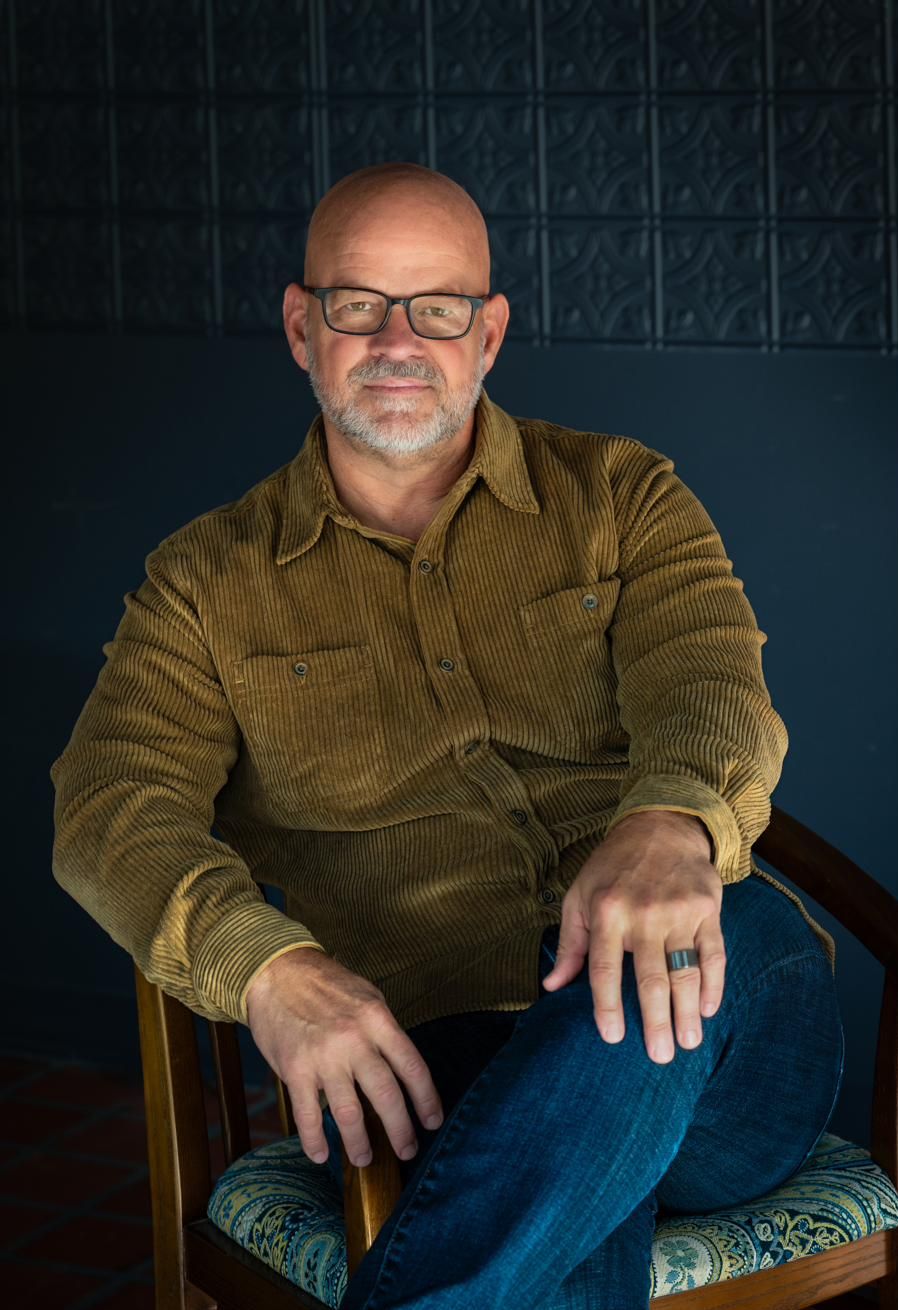
Portrait, JPEG, 898 × 1310. Free to use in event programs, websites, and promotion.
Additional headshots, the speaker one-sheet PDF, GBCC and Transformed Leader logos, and AV and travel requirements are available on request.
Speaking inquiries
Invite Troy to speak
Tell Troy about your people, your city, and what they're carrying right now. Or write directly to troyamurphy@me.com